Custom Forged Wheels: From Manufacturing to Vehicle Fitment
A successful custom wheel project starts with more than a spoke design. Material processing, wheel dimensions, brake clearance and surface finish all contribute to the finished product.
Custom forged wheels bring these decisions together, allowing a project to be developed around a specific vehicle and its intended application. Understanding the manufacturing process and fitment requirements helps buyers prepare a clearer specification before production begins.
How Are Forged Aluminum Wheels Made?
Forged aluminum wheels are manufactured by forming aluminum under high pressure, followed by further processing to achieve the required shape and properties. Depending on the production route, this can include heat treatment, CNC machining and surface finishing.
Forging influences the material structure and provides a foundation for wheel designs that balance strength and weight. However, the final result also depends on the alloy, geometry, manufacturing controls and validation of the finished wheel.
For buyers, the word “forged” should therefore be the beginning of a technical discussion. The complete wheel specification matters just as much as the manufacturing method.
CNC Machining Shapes the Final Design
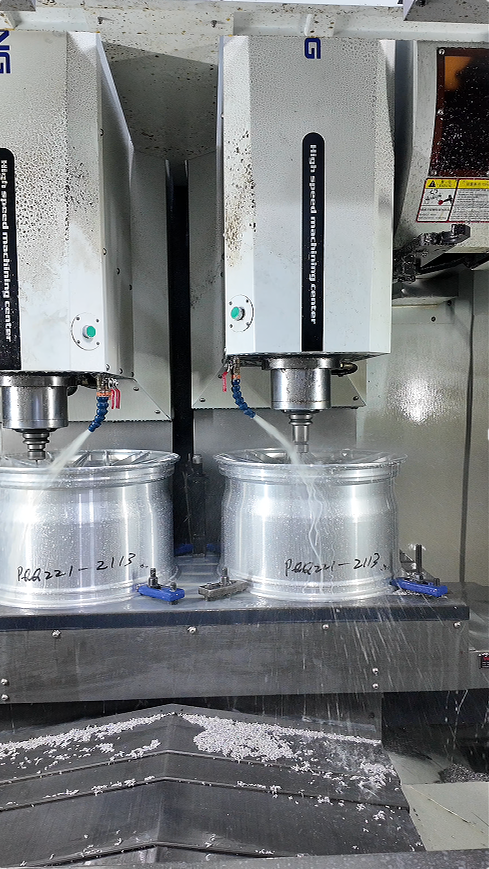
After the forged blank has been prepared, CNC machining creates the specified wheel geometry. This can include the spoke pattern, mounting face, center bore and bolt holes.
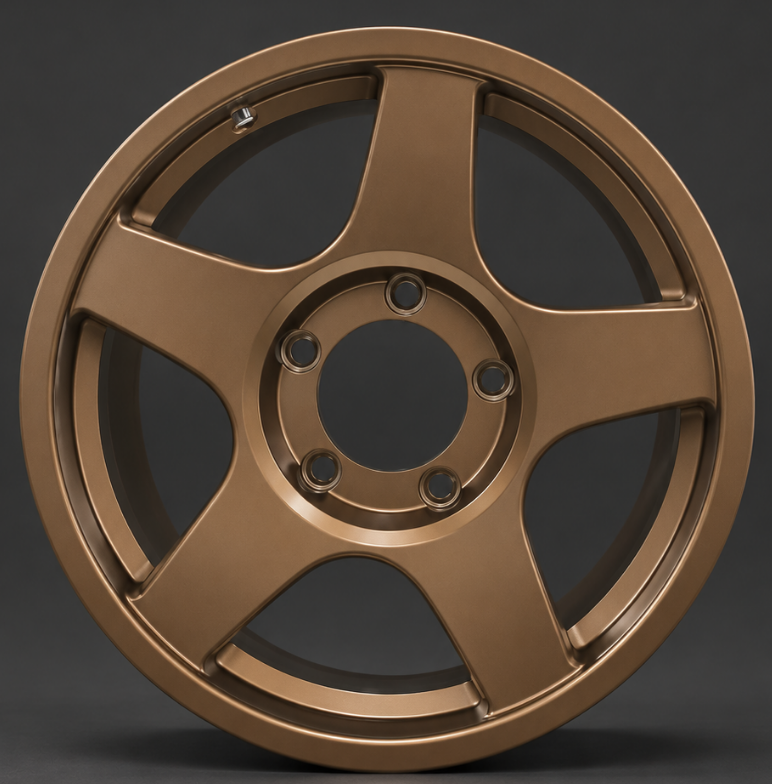
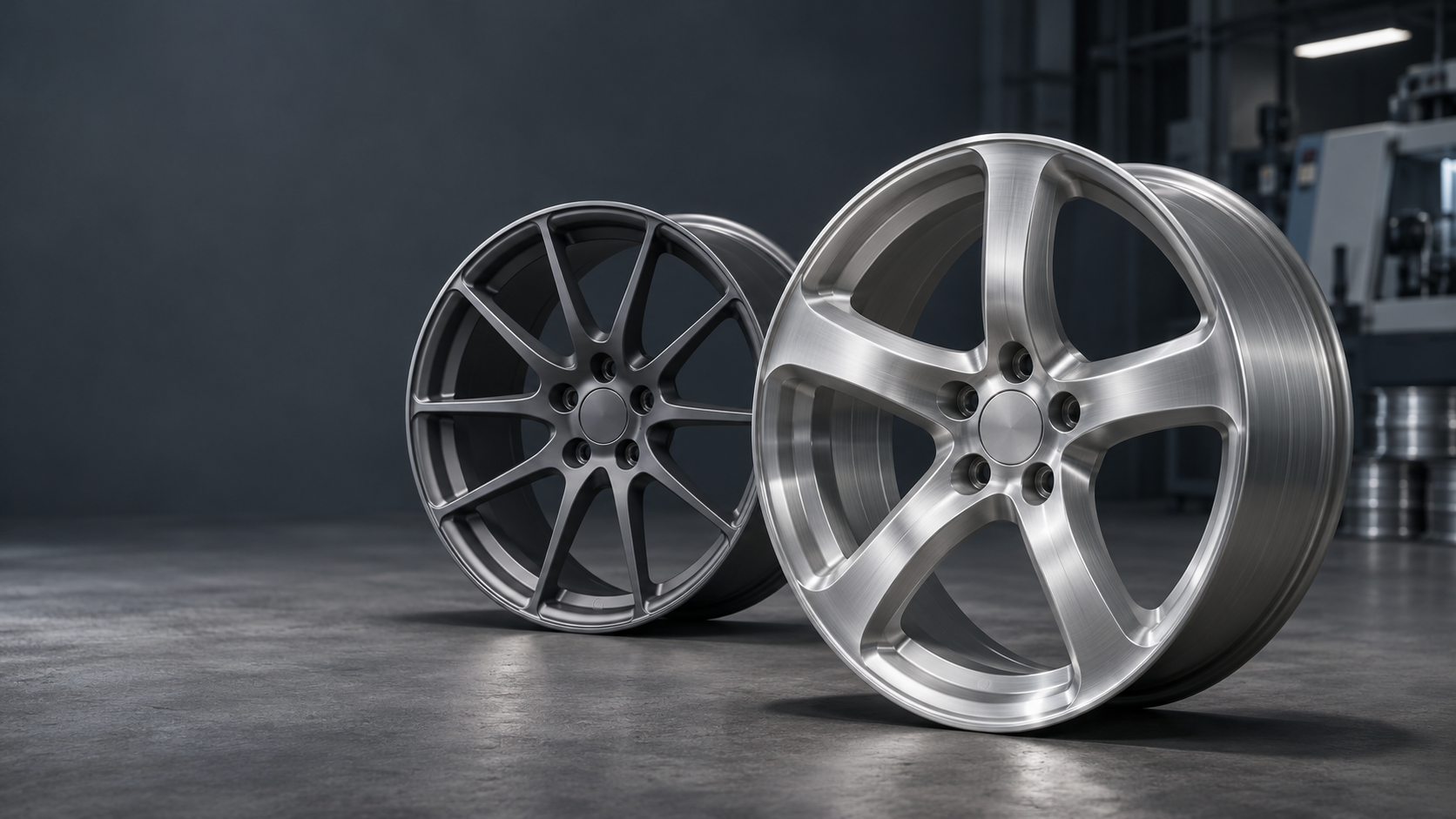
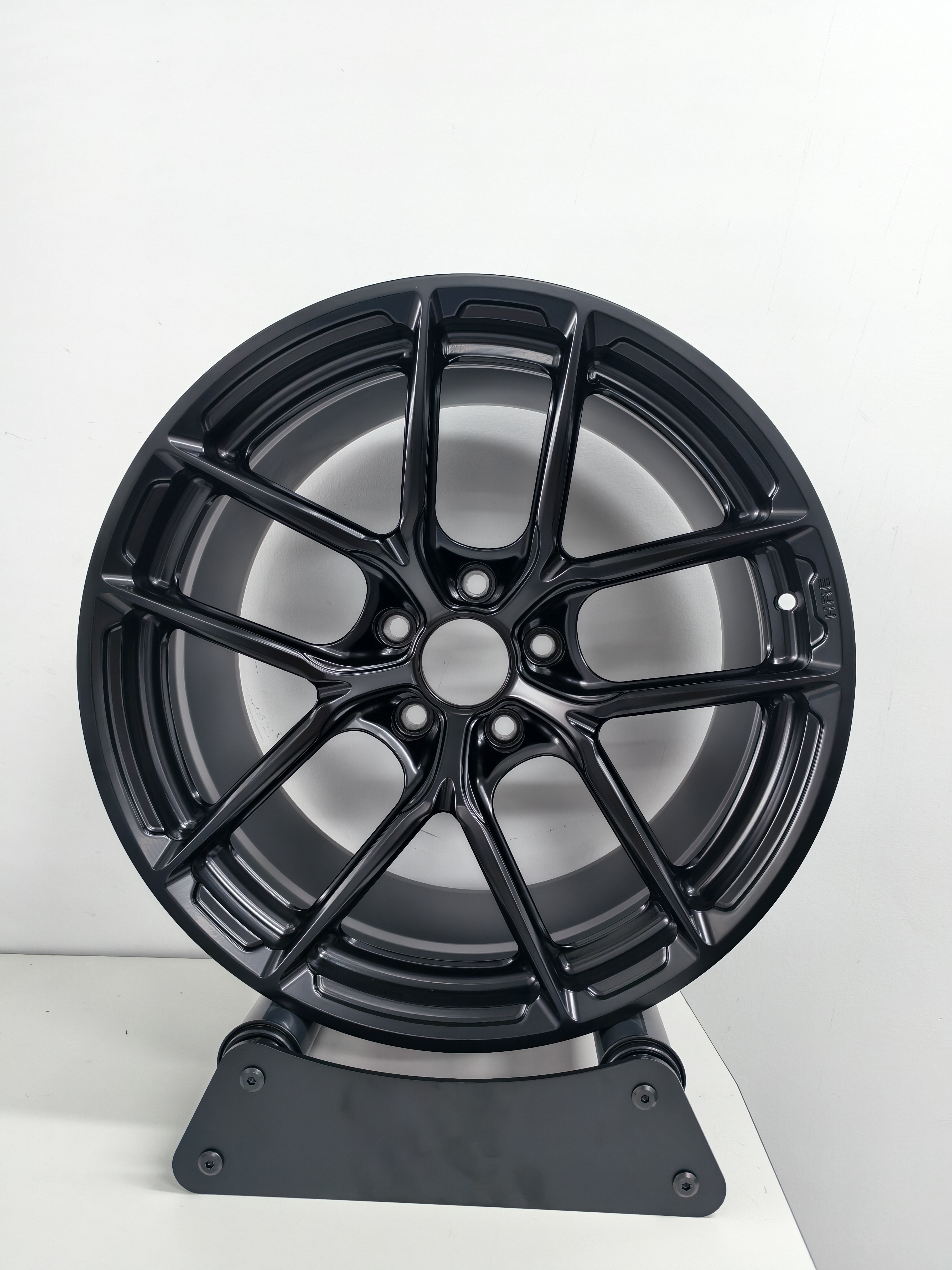
A five-spoke design, a split-spoke layout and a dense multi-spoke wheel each create a different visual character. Their suitability also depends on the available material, required load capacity and clearance around the vehicle’s braking system.
An attractive rendering is useful during development, but production approval should be based on confirmed dimensions and an agreed technical drawing.
Fitment Specifications to Confirm Before Ordering
Accurate vehicle information helps reduce unnecessary revisions during a custom forged wheel project. The main details to confirm include:
-
Wheel diameter and width to suit the intended tire and vehicle application.
-
Bolt pattern, or PCD, to match the vehicle’s mounting arrangement.
-
Offset, or ET, to establish the position of the wheel relative to its mounting face.
-
Center bore to suit the vehicle’s hub and agreed mounting arrangement.
-
Brake clearance to accommodate the calipers and brake discs.
-
Required load capacity for the vehicle and its intended use.
Front and rear specifications may differ. Buyers planning a staggered setup should confirm both axles separately, including tire sizes and any suspension or brake modifications.
Choosing a Finish for Custom Forged Wheels
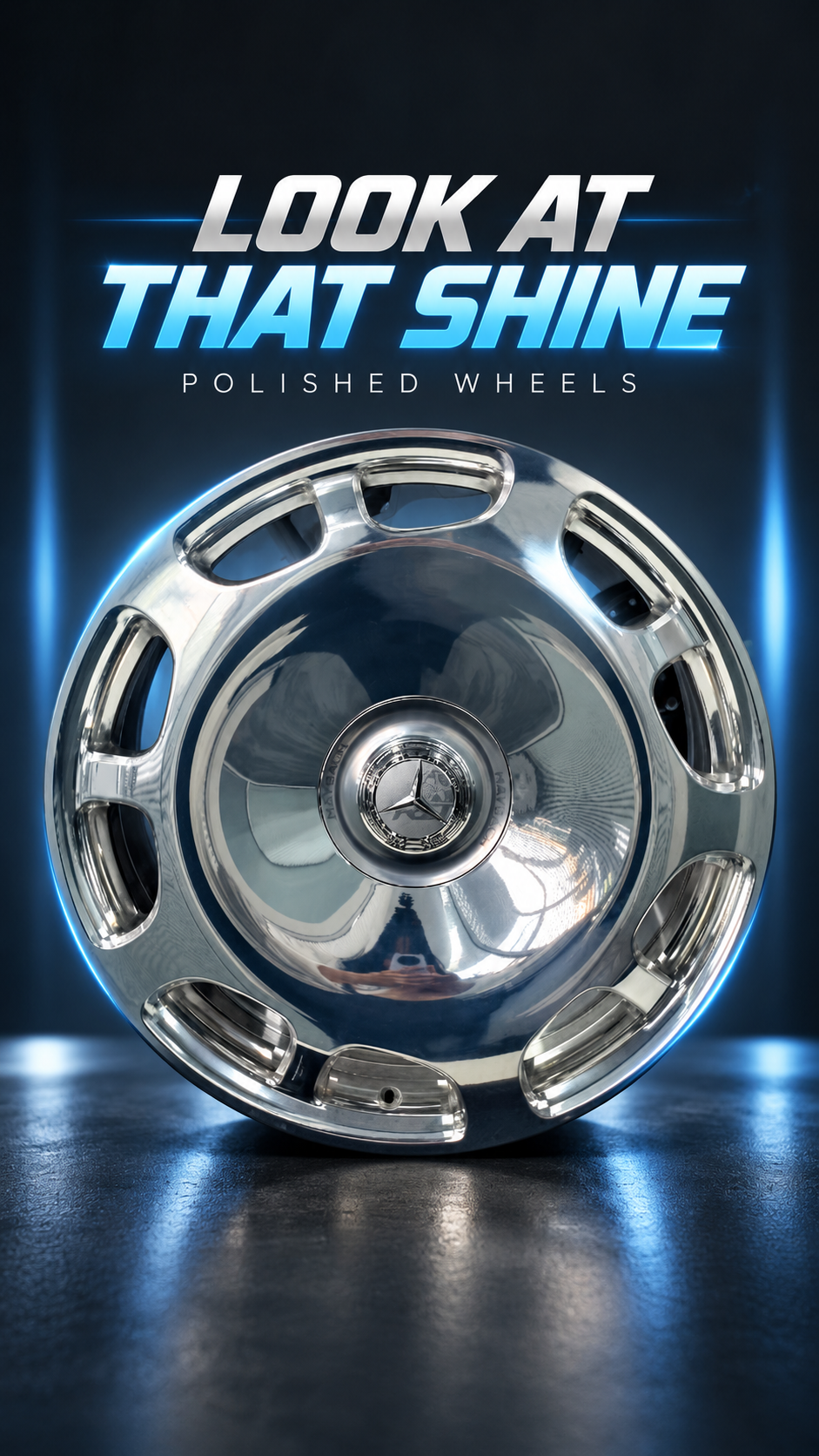
Surface finish has a major influence on the appearance of a forged wheel. Depending on the design and available finishing process, options may include gloss black, satin black, silver, bronze, brushed or polished effects.
A brushed finish can emphasize the metal texture, while darker colors can create a more understated appearance. Bronze and silver finishes offer different ways to highlight spoke shapes and surface details.
For repeat orders, it is helpful to agree on a physical sample or an approved color reference. Photographs can appear different under changing lighting conditions, so a clear finish specification supports more consistent communication.
Planning a Batch Production Project
For distributors, wheel brands and businesses developing their own designs, a complete enquiry makes the quotation process more efficient.
Useful information includes the design reference, vehicle application, wheel dimensions, finish, estimated quantity and any required testing documentation. Packaging, center-cap branding and delivery arrangements can also be discussed during project development.
Where several vehicles or sizes are involved, a specification table helps keep each version clearly defined.
Start Your Custom Forged Wheel Enquiry
Whether the project focuses on a distinctive spoke design or a coordinated range for several vehicles, clear requirements provide a stronger starting point.
Send us your preferred design, vehicle model, wheel specifications, finish and estimated order quantity. Our team can review the project and discuss the available customization and production options.